
The Debate on Evangelical Poverty
The Name of the RoseThe theological controversy over whether Christ and the apostles owned property, which divides the Franciscan order and the papacy.
increasing Bearing strength in each event
 decreasing
Bearing strength in each eventdecreasingThe Perugia Chapter
The Franciscan Declaration
A Bold Statement
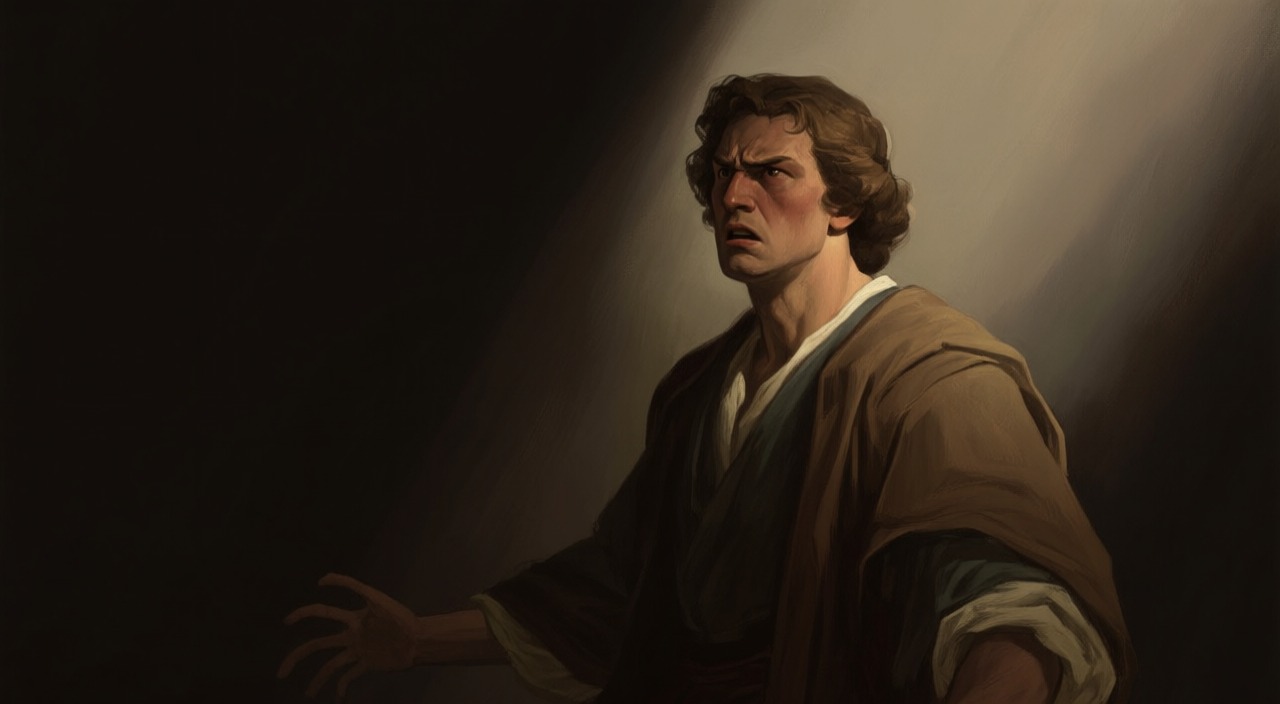
In 1322, the general chapter of the Franciscan order at Perugia declares that Christ and the apostles owned nothing, individually or in common. This doctrine is presented as a matter of Catholic faith. The declaration is a direct challenge to Pope John XXII.
Papal Condemnation
The Pope responds with the bull Cum inter nonnullos, condemning the Perugian thesis as heretical. He argues that Christ as God owned all things. The conflict escalates, with the Emperor Louis the Bavarian supporting the Franciscans.
The Meeting at the Abbey
The abbey is chosen as neutral ground for a preliminary meeting between Franciscan and papal representatives. The outcome will determine whether Michael of Cesena can safely travel to Avignon.
Ubertino's Defense
The Spiritual Franciscan's Argument
A Passionate Speech
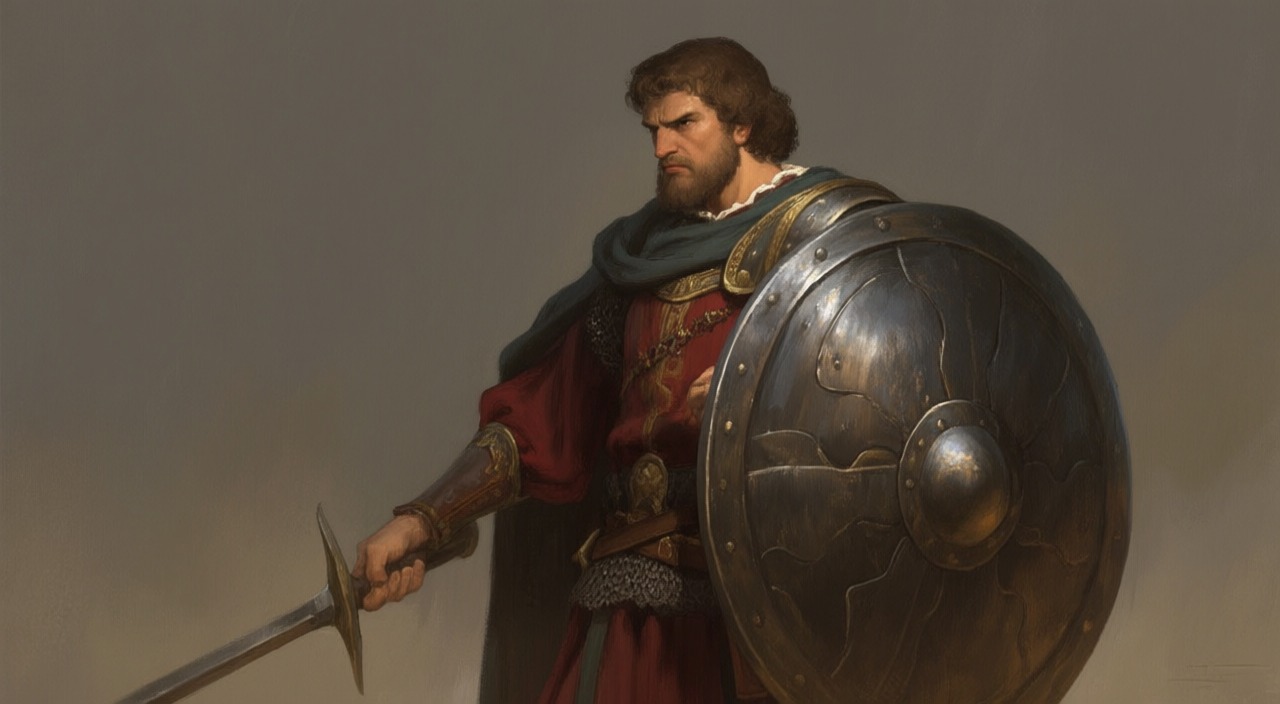
Ubertino of Casale, a leading Spiritual Franciscan, argues that Christ's poverty is the foundation of evangelical perfection. He distinguishes between ownership and use, claiming that Christ and the apostles had only the use of goods, not dominion.
The Papal Response
Jean d'Anneaux, a Dominican theologian, counters that the distinction between use and ownership is untenable for consumable goods. He cites Scripture to show that Christ had a purse and that the apostles owned property.
The Debate Stalls
The arguments become circular, with each side citing different authorities. The debate reveals the deep theological and political divisions within Christendom. No resolution is reached.
William's Imperial Theology
A Radical Proposal
Separation of Powers
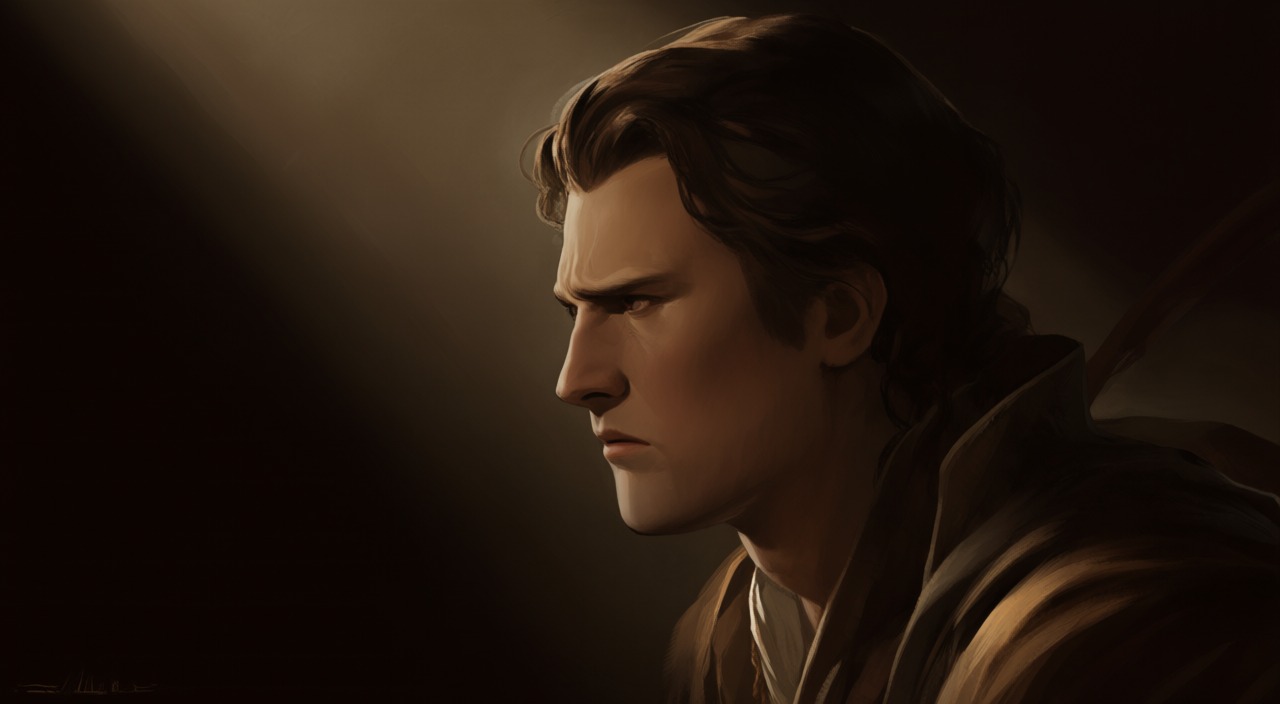
William of Baskerville presents the views of Marsilius of Padua and John of Jandun. He argues that temporal power comes from the people, not from the Pope. The Church should have no coercive authority over secular matters.
Implications for Poverty
William suggests that the debate over Christ's poverty is secondary to the question of Church power. If Christ had no earthly dominion, then the Pope cannot claim temporal authority. This radical idea shocks both sides.
The Inquisitor's Warning
Bernard Gui warns that such ideas lead to heresy. William's speech is a turning point, as it reveals the deeper political stakes. The meeting fails to achieve its goal of reconciliation.
1322, before the story
Morning of the fifth day
Late morning of the fifth day
